
Understanding the psychological triggers behind gambling decisions
The Role of Emotion in Gambling Choices
Emotions play a significant role in gambling behavior. Many individuals are drawn to gambling as a means of escape, seeking excitement or distraction from daily life. This emotional connection can lead to impulsive decisions, often driven by a desire for immediate gratification. When a person is in a heightened emotional state, such as excitement or stress, their judgment may become clouded, making them more likely to take risks. This phenomenon can often be observed in platforms where you can play real poker online, enhancing the thrill of the game.

Additionally, the rush of winning can create a feedback loop where positive emotions reinforce gambling behavior. This sense of reward can overshadow the potential consequences of losses, causing gamblers to chase their next high. Understanding how emotions influence these decisions can help individuals recognize when they might be more vulnerable to making poor choices.
The Illusion of Control and Superstitions
Many gamblers experience an illusion of control, believing they can influence outcomes through specific actions or rituals. This psychological phenomenon often leads individuals to develop superstitions, such as wearing lucky clothing or engaging in particular behaviors before placing bets. These beliefs can enhance the gambling experience, providing a sense of agency in a game largely governed by chance.
This false sense of control can be particularly dangerous, as it may encourage further gambling despite unfavorable outcomes. Recognizing the role of superstitions can help individuals make more rational decisions and mitigate the risk of falling into detrimental gambling patterns.
The Impact of Social Influences on Gambling Behavior
Social factors significantly affect gambling decisions, with peer influence being a critical component. Friends and family can either encourage or discourage gambling habits, often shaping an individual’s perceptions of risk and reward. In social environments, the thrill of gambling can be amplified, leading to riskier choices that individuals might not make alone.
Furthermore, the presence of group dynamics can create a sense of belonging, making people more likely to engage in gambling even when they are aware of potential negative consequences. Understanding these social triggers can aid in recognizing how external influences impact personal gambling habits.
Understanding the Risks of Addiction
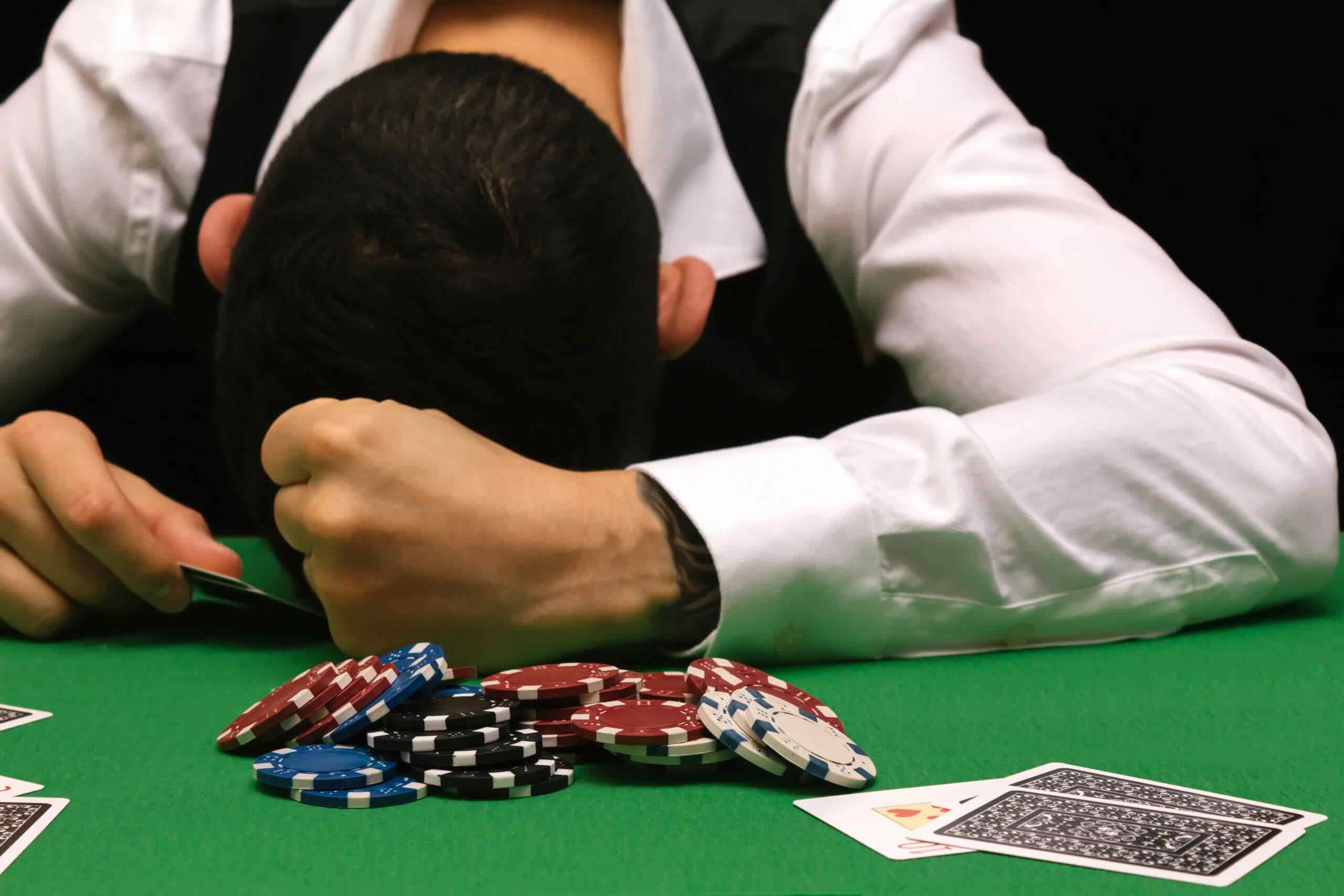
Gambling can become an addictive behavior for some individuals, driven by various psychological triggers. The brain’s reward system can become wired to seek the excitement associated with gambling, leading to compulsive behaviors. As individuals chase the thrill of winning, they may neglect personal relationships, responsibilities, and financial stability.
Recognizing the signs of gambling addiction is essential for intervention and support. By understanding the psychological triggers behind their decisions, individuals can seek help before their gambling habits spiral out of control. This awareness fosters healthier relationships with gambling and encourages responsible behavior.
Resource for Understanding Gambling Behavior
This website serves as a valuable resource for those looking to understand the complexities of gambling behavior. With informative content that delves into the psychological triggers influencing decisions, it offers insights into responsible gambling practices. Whether you’re seeking information on emotional influences, social factors, or addiction risks, this platform provides a comprehensive overview.
By empowering users with knowledge, the website aims to foster a healthier understanding of gambling. It encourages informed decision-making, helping individuals navigate their gambling experiences more responsibly and effectively.